
Cullen and the Hospital as Home
The Good Nurse: A True Story of Medicine, Madness, and MurderThis thread follows Cullen’s dependence on hospital work as his source of identity, stimulation, and control, even as hospitals repeatedly reject or dismiss him.
increasing Bearing strength in each event
 decreasing
Bearing strength in each eventdecreasingThe Hospital Feels Like Home
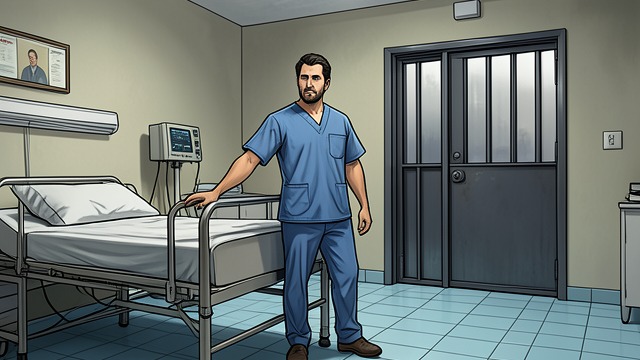
The Hospital Feels Like Home
A Familiar World
Cullen described the hospital as the place where he felt he belonged. Its schedules, uniforms, and medical routines offered a dependable structure unlike his chaotic childhood home.
Work as Identity
He valued being needed by patients and coworkers, especially on overnight shifts. The clinical role gave him purpose and placed him near the vulnerable people he had learned how to care for.
The hospital was more than employment; it was Cullen’s social and emotional center. That attachment would become inseparable from the setting in which he committed his crimes.
Work Replaces Intimacy
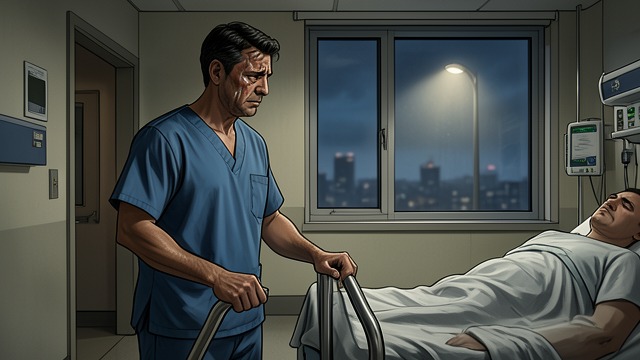
Work Replaces Intimacy
A Narrowing Life
Cullen’s relationships with Adrianne and other partners grew unstable, while hospital work remained available. He could spend long hours in a unit, accept extra shifts, and avoid the demands of life at home.
The Ward as Refuge
The hospital offered recognition and activity when family life brought conflict or rejection. His emotional investment in work grew stronger as personal relationships failed.
This dependence gave him continuing access to patients and an environment where his behavior could be interpreted as professional dedication. The refuge became dangerous precisely because no one challenged his need to remain inside it.
A Job Lost Again
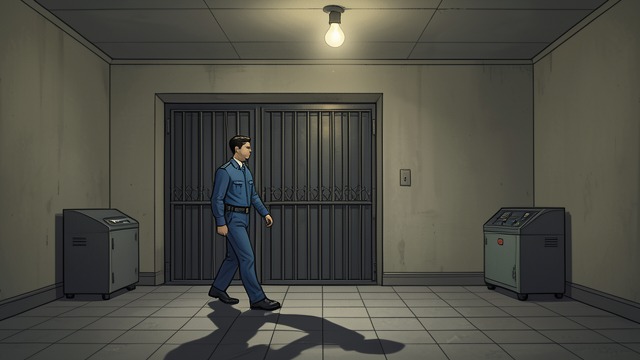
A Job Lost Again
Repeated Conflict
Cullen left or was dismissed from hospital after hospital for performance problems, medication concerns, or conflict with coworkers. He experienced these decisions as unfair persecution rather than a warning about the safety of his practice.
A New Opening
Each dismissal hurt his sense of identity, but labor shortages repeatedly offered another job. He could begin again with a new schedule, colleagues, and patients.
The cycle joined rejection to opportunity. Hospitals were both places that excluded him and places that kept restoring his access to clinical work.
Somerset’s Recognition
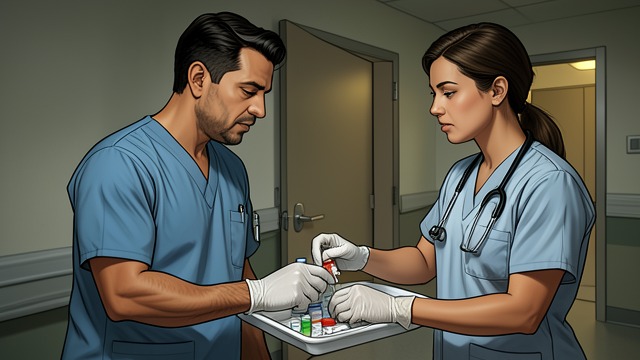
Somerset’s Recognition
A Popular Coworker
At Somerset, colleagues welcomed Cullen as efficient and helpful. He arrived early, assisted with medication preparation, and took on work that made the overnight shift easier for others.
A Fragile Belonging
Cullen valued recognition from Amy and his fellow nurses, while privately pursuing patients and outcomes through the ward’s digital systems. His performance as a supportive coworker hid the harm taking place around him.
The more trusted he became, the more easily he could act without drawing attention. Belonging and deception developed together within the unit.
Exclusion and Arrest

Exclusion and Arrest
A Familiar Rejection
Somerset fired Cullen, and he again described the decision as a misunderstanding or scapegoating. He was distressed not only by the investigation but by losing the professional identity on which he depended.
The Ward Is No Longer Available
His arrest and imprisonment finally removed him from hospital work. In custody he continued to seek attention through interviews, legal proceedings, and the proposed kidney donation.
The institution that had functioned as home became the setting of his exposure and removal. Cullen’s longing to remain useful persisted, but it could no longer justify access to patients.
1987
1987 to 1993
1996 to 2002
2002 to October 2003
October to December 2003
